2026
Auckland
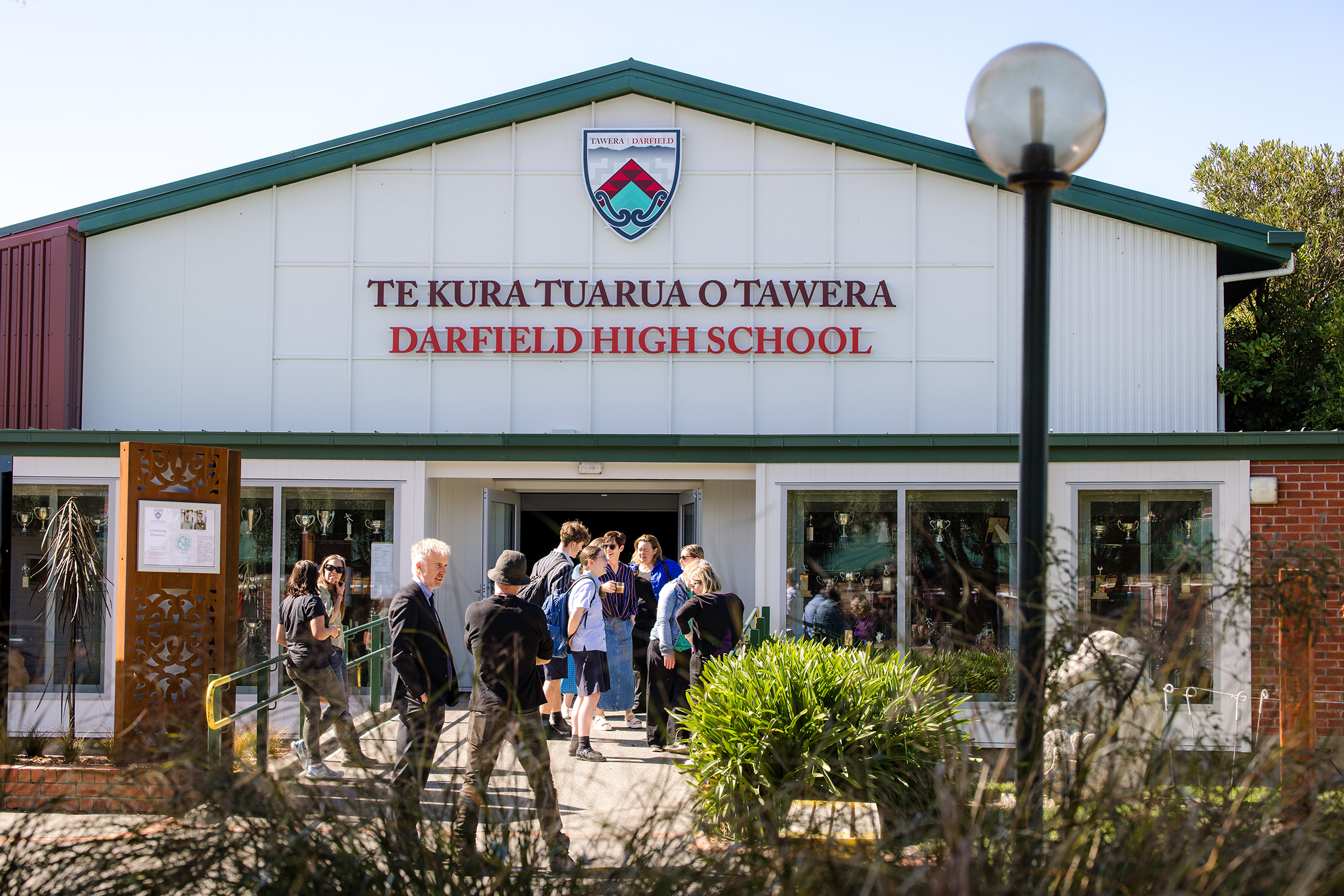
Te Kura Tuarua o Tawera -Darfield High School, is a Year 7 – 13 rural Canterbury co-educational secondary school, with a roll of 839. The current principal is Andrew (Andy) England.
Te Kura Tuarua o Tawera -Darfield High School, is a Year 7 – 13 rural Canterbury co-educational secondary school, with a roll of 839. The current principal is Andrew (Andy) England.
When you enter the school gates at Darfield High School there is an immediate sense that this is a school that cares deeply about its students, staff and community. In every direction you look there is visual representation of the values – Manaakitanga (respect and care for each other), Kotahitanga (unite our community), Kaitiakitanga (look after our future) and rangatiratanga (become your best you). These values coupled with the school’s vision in brief:
“Every student will enjoy their experience and the community will be proud of their school.”
“Students will develop the capabilities, knowledge and values they need to lead healthy, fulfilling lives and to contribute positively to their communities.”
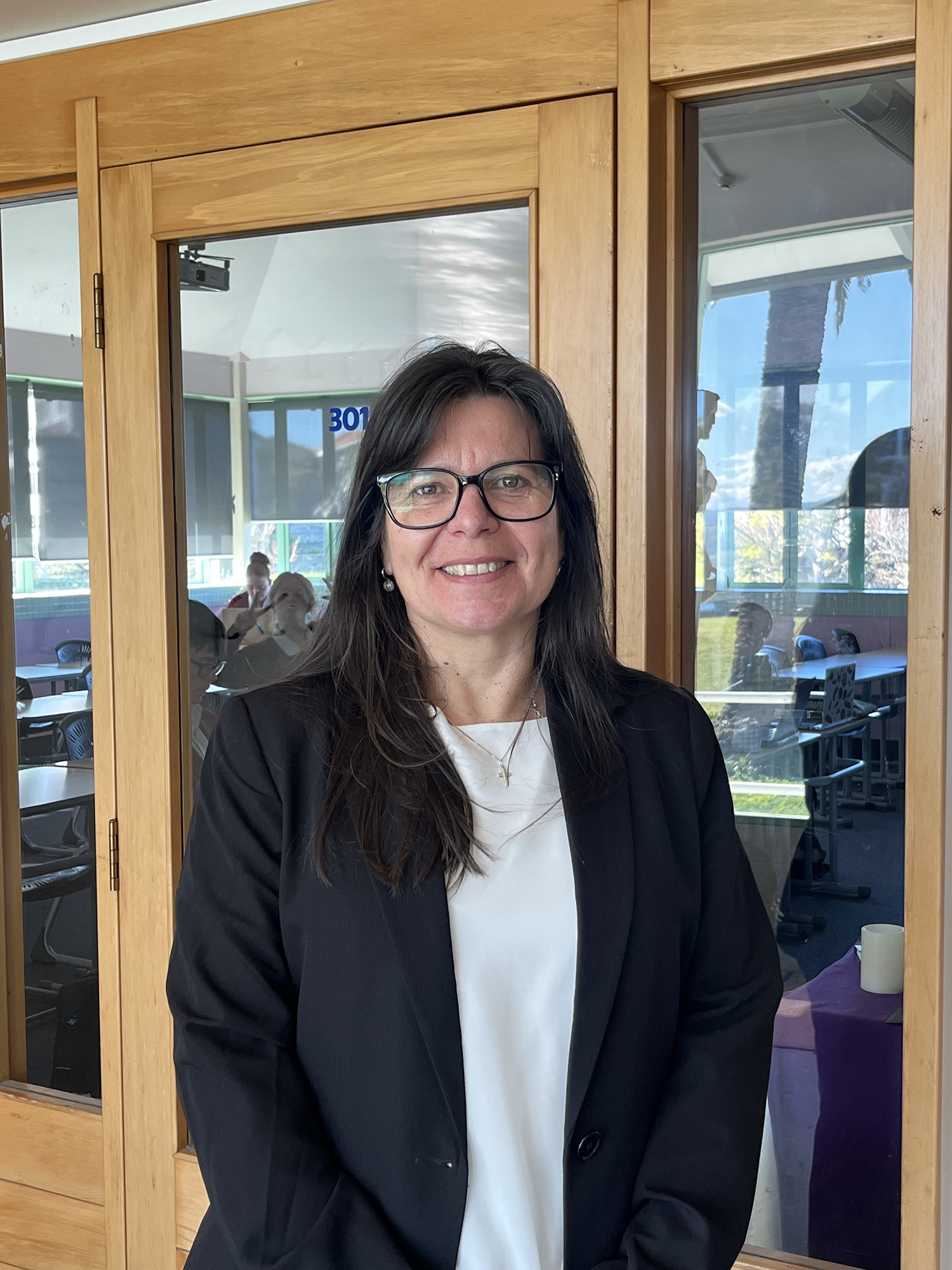
This is what every parent wants for their tamariki. Even a brief conversation with Principal Andy England makes it clear that the school’s warm, welcoming, and caring environment is modelled from the top. This case study was developed from interviews with mathematics teachers Heidi Clark, Jane Wright and Camille Cartman.
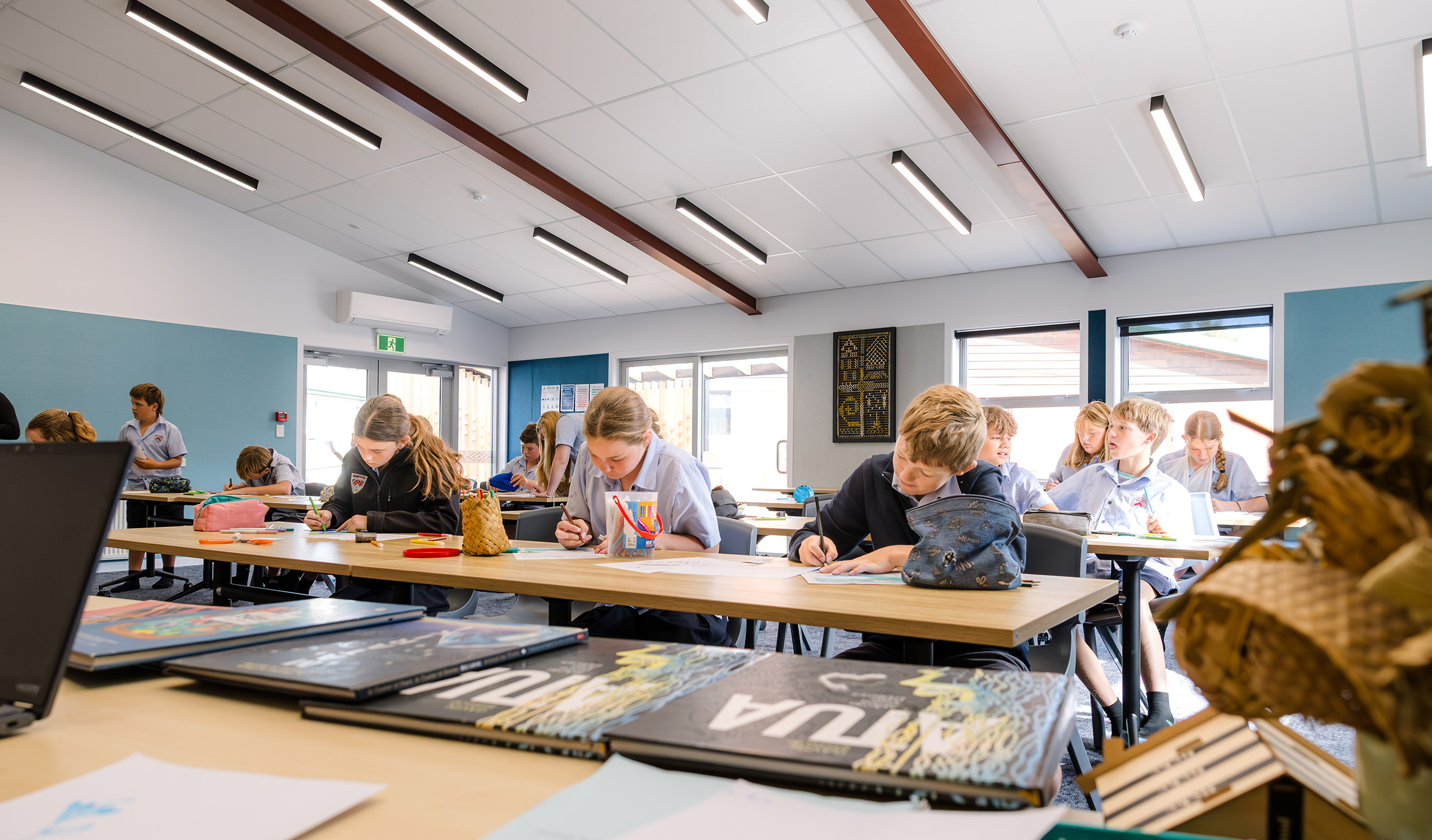
The change process began four years ago to address a number of challenges impacting the culture of the school. While there were many positive things happening at Darfield there were around 20 percent of the students who did not feel they belonged and who were failing. For Māori there was a reluctance to identify as Māori and there was some community dissatisfaction.
Leading the change at the outset was Carrie Whyte, then head of maths – at the heart, the motivation was the need to increase the number of students who felt like they belonged. School wide, this required a change in culture centred around relationships, with staff striving to make better connections with students and their families. Restorative justice practices were introduced and a whānau navigator appointed. A space for Māori students had been built in the 1990s but work began on rebuilding and enhancing it, culminating in a reopening with mana whenua in 2026.
Integral to this change in culture has been the move away from streaming and ability grouping. Traditionally there had been a top class, two higher attainment classes, and two lower attainment classes. This had then shifted to a top class with all the other classes mixed attainment. Finally, the shift was made to all classes being mixed attainment. The changes, along with reasons were communicated to parents via newsletters. While there was some resistance, Carrie was adept at explaining the reasons and research behind this move. Nowadays, there is little comment about mixed attainment classes –it’s just the way it is.
Largely it is whole group teaching with the offer of different levels of support for those who need it. Mostly students choose the right option to be in, though sometimes they need a gentle push. That’s where it’s important for teachers to know their students. Current head of faculty for maths, Heidi Clark explains that it is not easy teaching in mixed attainment classes with students working anywhere between curriculum level 2 to 6, but to assist with successfully implementing it, they have found UK expert Craig Barton’s work very helpful.
KNOWING YOUR STUDENTS:
First and foremost, knowing your students, their academic needs, their learning styles and how they show up in the classroom on any particular day gives information around their readiness for learning. Each child is different, and building a quality teacher/student relationship is challenging, especially in a class with large numbers. Yet the teachers at Darfield High understand the importance of whanaungatanga and prioritise getting to know their students. This has a positive impact on the student’s academic success, confidence and overall wellbeing.
COLLABORATIVE TEACHING:
Darfield High School’s maths department works on a collaborative teaching model where all four year 9 and 10 teachers teach the same content and follow the same structure each week. They co-construct the lesson plans with their students in mind, acknowledging the wide diversity of need in the classroom. The teachers shared that they often feel stretched trying to give everyone the attention they deserve, but understand that it is necessary for each student to feel like they belong. Their collaborative teaching method is successful because everyone is teaching the same content.The curriculum is taught in a way that provides for each student, allowing choice, support and extension.
PEDAGOGY:
Darfield is currently implementing a front-loading approach, where targeted students are introduced to new content before it is taught in class. By the time the students receive the content they are already familiar with the vocabulary used, minimising the stress that can be caused by receiving new information. This approach is a real confidence booster, increasing self-efficacy, overall wellness and has seen students excel. There is also an acknowledgement that the shift in confidence could translate to higher attendance, yet this is yet to be fully explored. Complementing the front-loading approach is the spiral reviews, covering content that has already been taught in class. The teachers acknowledge that there is a lot of content to remember, so the more often students are exposed to it the easier it is for information to settle into their long-term memory. The week will start with a ‘quick five-minute starter” involving a question at the beginning of the lesson. Teachers will then scaffold new learning on top of the new knowledge, reinforcing the previous lesson, and then followed by the I Do, We Do, You Do approach which is part of Craig Barton’s philosophy. Year 7 and 8 use Oxford Maths which is a very similar approach.
CO-REQUISITES AND PRE-REQUISITES:
Co-requisites have been a hurdle! Year 10s spend the first four weeks of Term 2 on co-requisite content and then sit the exam. They are taught how to answer Outcome 3 questions and, if they are not successful the first time around, their period five class is utilised to take these targeted students through the key skills for the CAA to help them prepare for their second attempt. Darfield no longer has pre-requisites, the only exception being you can’t take Year 13 calculus if you haven’t taken Year 12. However, they have had students take home the Year 12 textbook over summer to prepare themselves for Year 13 calculus and that was acceptable. No other courses have prerequisites.
WHOLE CLASS TEACHING:
Utilising the Craig Barton, Atomisation approach, the content is broken down to minute steps, making it easier for students to digest. Each student is equipped with a mini whiteboard and show their answers and workings on it, allowing the teacher to do a quick scan of their comprehension of the content being taught. From there, differing levels are identified and different learning opportunities are presented, with students choosing their activity. Where required, teachers provide gentle guidance regarding the task that is the best fit for their students.
INTENTIONAL PLD:
In the early days of making change, the school worked closely with Derek Smith from Otago University who led much of their PLD.
These days the main PLD opportunities utilised by Darfield High School maths teachers are Accelerating Learning in Mathematics (ALiM) and the work of Craig Barton from the UK. It is important for teachers to continuously reflect on their teaching practice and review student needs in order for students to feel comfortable, safe and supported in maintaining academic progress, especially within a rapidly changing world and the evolution of AI technology.
“The positive thing is that everyone is teaching the same content. So planning wise, we can all plan together. You can do a lot of peer teaching so students get help from each other. It is a lot of work to have kids with such a wide range in your class and you always feel stretched and feel that you never quite give everyone the attention you want to give them. That’s the downside.” Teacher
There has been a noticeable shift in confidence levels, it is really up. We are hearing that from other schools as well. The Pre loading approach especially around the vocabulary really helps.
What advice do Darfield staff have?
• While keeping a focus on lifting lower attaining students it’s important to always meet the needs of the higher attaining students. The Darfield staff are conscious of teaching to where the student should be.
• Don’t do everything at once. Look at the small things you can change.




.jpg)