2022
Auckland
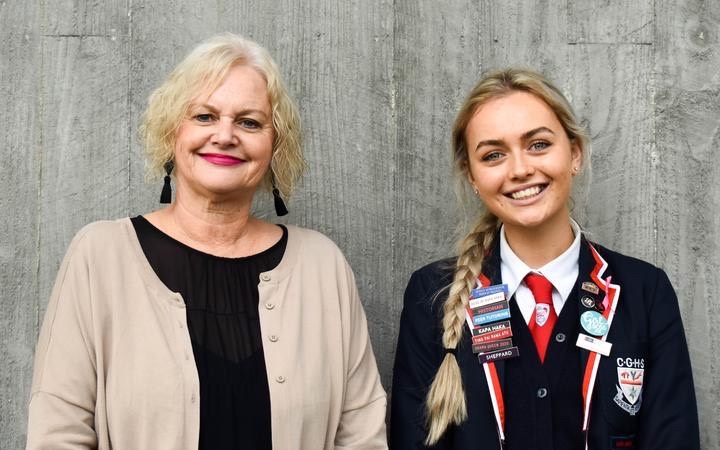
In 2021 Christchurch Girls’ High School – Te Kura o Hine Waiora decided to de-stream learning in Year 9 & 10 and are already beginning to see the impact this has had on their students. The decision to de-stream took courageous leadership from across the school and rests on their school vision and values.
The school viewed streaming as deficit positioning of Māori students, based on assumptions of, and, unconsciously low expectations. Christine O’Neill, Principal, led with the school values and asked if streaming was commensurate with living their values in practice.
Through the schools revisioning process, all staff were involved in ongoing conversations around vision, values and graduate profile for their students. A key moment came during an individual Head of Faculty’s own de-streaming research. When they shared it with the other Head’s the group took a unanimous, conscious, and quick decision.
“We asked the question that given the evidence of the damage it causes to many students why are we still streaming? We need to do this and do it now for next year.”
From here they built the collective and collaborative commitment to change across the school and communicated this to their wider community. When communicating the rationale to whānau, the leadership, including Christine and Assistant Principal Sonja Bailey, provided a summary of the research and the reason why it had to change. They were able to communicate a values and research-led position, sharing ideas around cultural responsiveness, diversity, and personalised excellence. This approach ensured wide support from their community.
Katrina Dyne, the Head of the English Faculty noticed the demands de-streaming had on teacher capacity, wondering how teachers could be better supported to meet the needs of mixed ability classrooms.
“While we understand the benefits of having mixed ability classes and the detrimental effects of streaming on some students, we have some questions like, how do we ensure that teacher energy and motivation to meet the needs of a range of abilities (and interests) stands the test of time?”
This speaks to support needed for any pedagogical change initiatives. Jeremy Brocklehurst (Head of Junior Maths) uses the strategy ‘low floor, high ceiling’ when developing learning activities and learning sequences in his classroom to allow for the range of capability in his Maths classroom. In her English classroom Virginia Collingwood (English department) has applied a ‘curious teaching’ approach finding many ways that her students can demonstrate success.
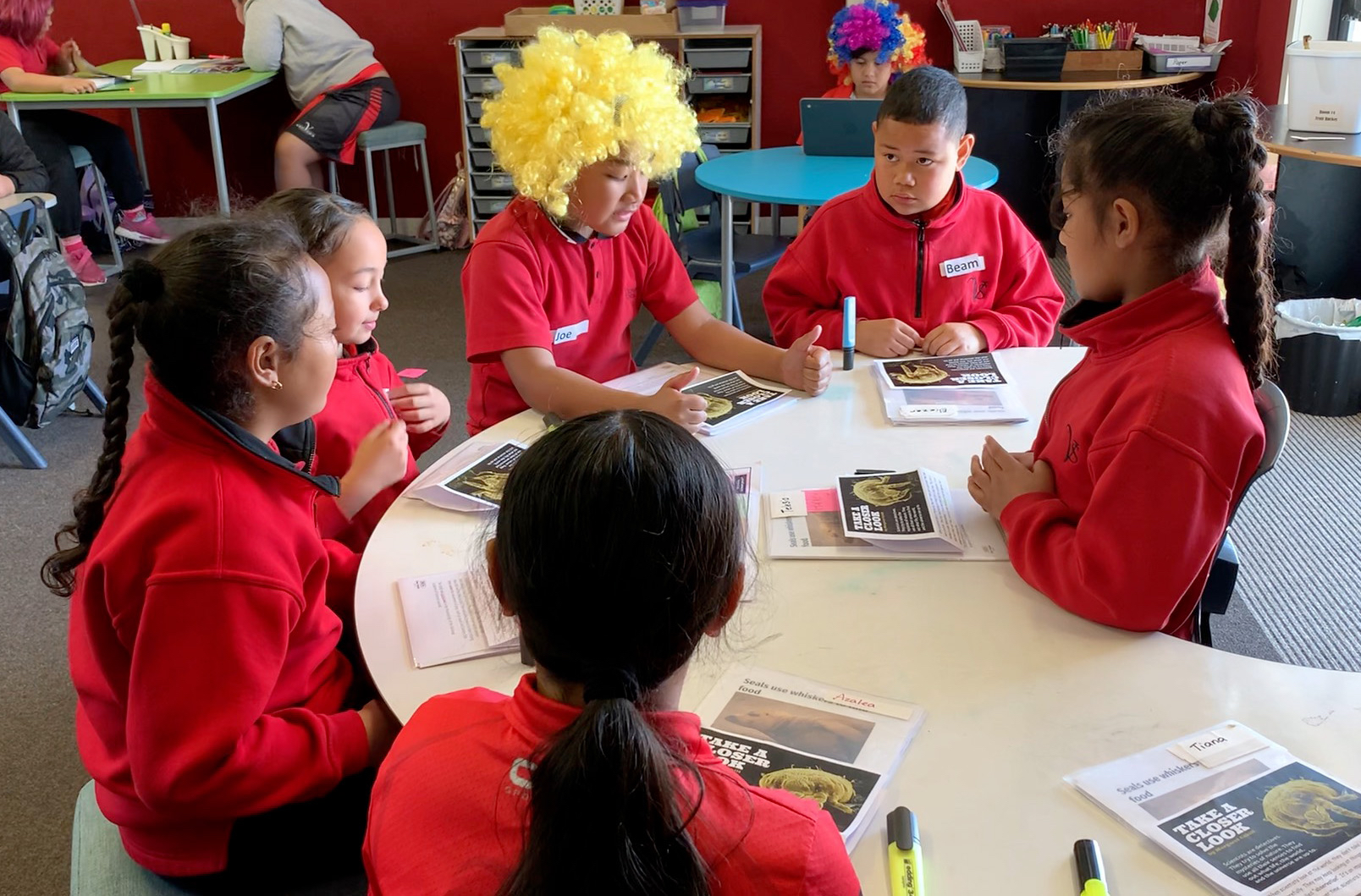
The Head of the Science faculty, Jason Aaron has noticed an impact in the attitude and engagement of students in the new mixed ability classes, noting “I did see a general lift in the attitude and behaviour of most of the students.”
This behavioural shift was matched with an increase in student agency with the students learning at higher curriculum levels, “They were able to drive their own learning forward with my help and still achieved at high levels for their cohort.”
Lean on the values to carry, challenge and inspire stakeholders across the staff and community. Collaborate with all staff and keep them in the conversation. Respect their head and heart as educators who want the best for their students. When the time comes, take courageous leadership for your school and the wider community.



.jpg)