2024
Auckland
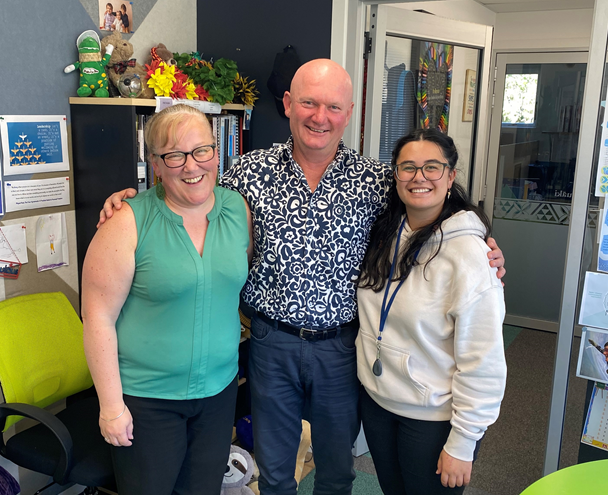
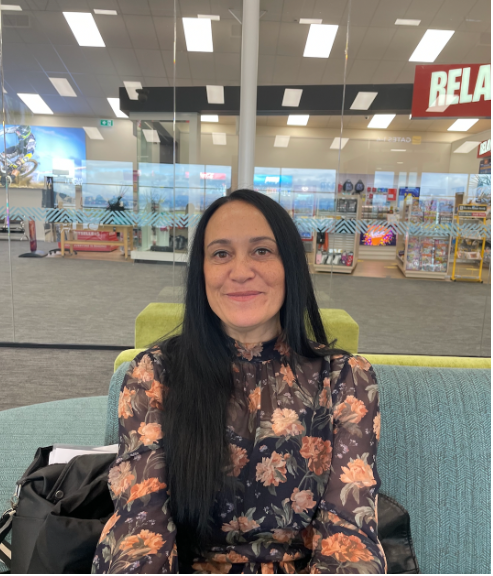
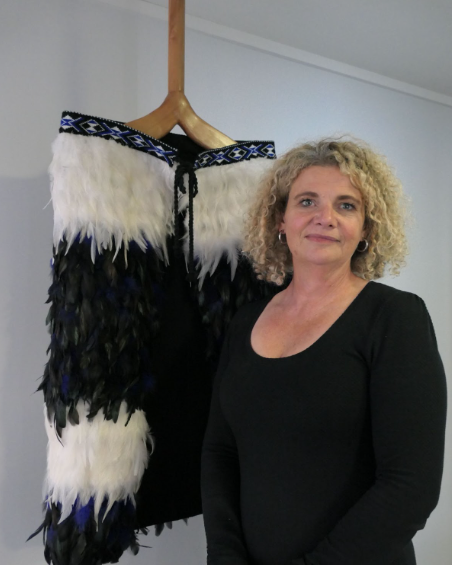
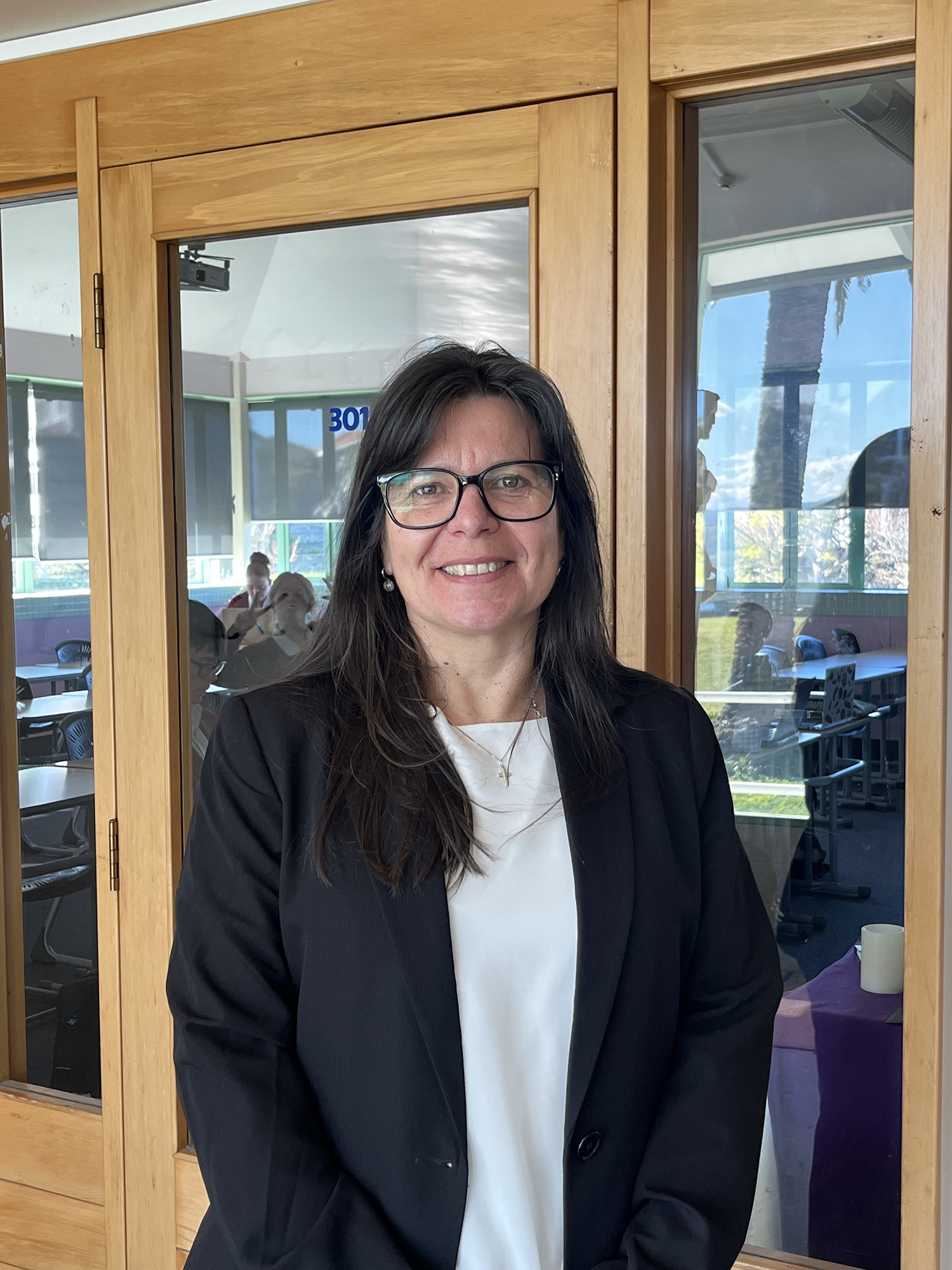
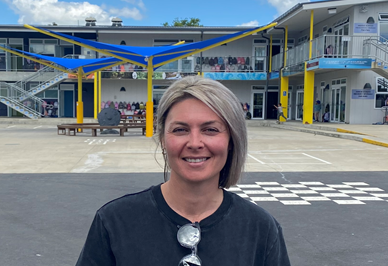
Shea Bowden is Deputy Principal at Manurewa West School where she has led changes in how they teach mathematics that have resulted in significant increases in student achievement.
“In 2017 I was working with a small maths group through ALiM but they weren’t making progress, and I said to our facilitator ‘this isn’t working’ and she is the one who said to me, ‘have you tried mixed ability?’ It was unbelievable, these kids just took off. They were suddenly being exposed to vocab and language and skills they wouldn’t normally have been exposed to if they have been kept in that box. In one term they made six months accelerated progress.”
A facilitator was engaged to help roll this out to the whole school, and we were successful in getting 200 hours of PLD time over two years.
“At that time only 38 percent of our entire school was achieving at or above the standard and I was saying that is not good enough.”
The PAT test was re written to reflect cultural contexts and then, suddenly, the students could do everything in the test.
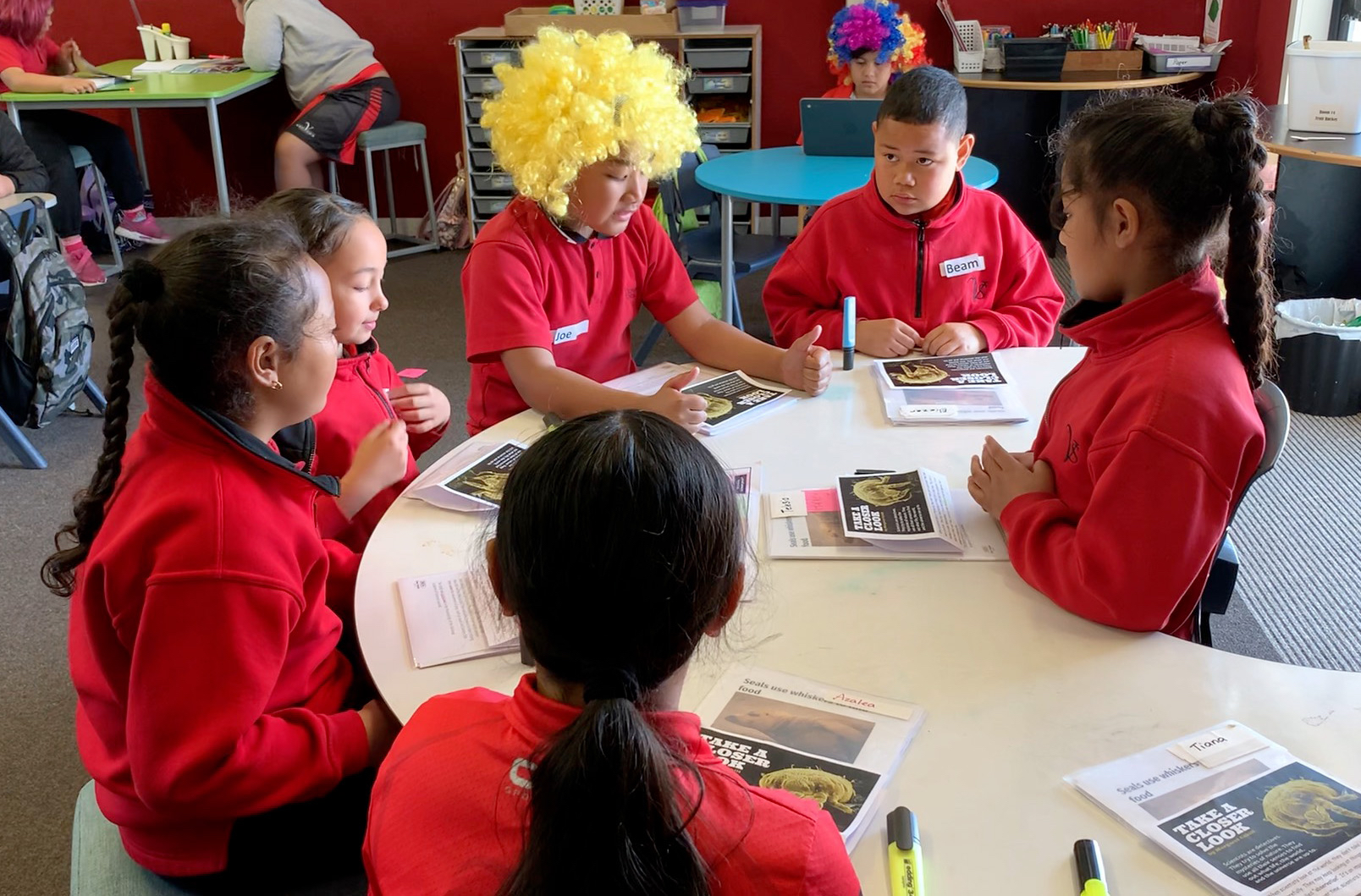
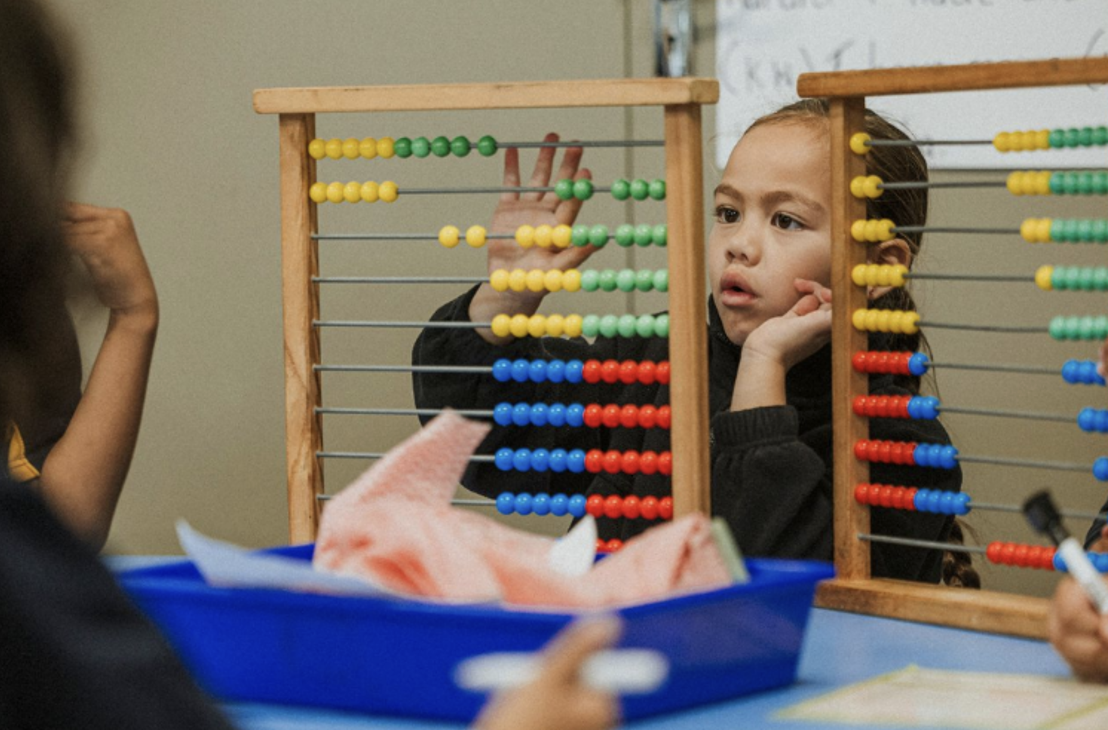
They began by looking at the class culture and establishing a growth mindset. A lot of time was spent making kids feel safe to take risks in the classroom. As teachers, they had to model that it’s okay to be wrong. They moved to mixed ability teaching and real-life problems where they could see how maths related to them. Maths should not be in isolation where you work your way through and see if you got it right or wrong. They took the focus off the answer and placed it more on the journey itself. “We’re really interested in how you got there and when you take the focus off the answer, the kids are more likely to give it a go."
“Maths needs to become more about problem-solving, discussion, talking things through. In the real world, in a lot of different industries, that’s what they must do to solve problems.”
The school held many whānau hui around the changes they were bringing in and then introduced the ‘Learning Expo’ where students brought their whānau along for an evening of fun. The teachers talk about how they teach maths, and then students take their parents around and play games. After they play it, they take the master home to use with their whānau plus all the resources needed to run in. The students became so confident in numeracy that they took over the evening, so now that’s how the evening is run.
Another interesting observation is that Manurewa’s students did not go backwards during Covid-19. Shea puts this down to teaching the Years 1-6 students online in whānau groupings and the students adapting well to this partly because they were already used to working in mixed attainment groups – true tuakana-teina teaching.
The risk, as always, is schools looking for the ‘easiest approach’ to manage the onslaught of change being thrown at them at present while trying to appease teachers and retain staff in a continuing teacher shortage. Schools still struggling with the shift in pedagogy towards flexible groupings, may revert back/continue streaming in hopes to relieve pressure for teachers without really understanding the pedagogy/implications behind it.
“We do all this work, our kids leave as happy, super confident kids – then go to the intermediate that streams and then to the high school (that streams). I met with a group of our former students last year and asked how maths was going. ’I’m in the bottom group.’ OMG it’s disheartening.”
In 2022, Manurewa West was awarded the national excellence in teaching for Australasia (NETA), acknowledging their work to improve numeracy and equity.
Listen to Shea being interviewed by Radio NZ to hear more about Manurewa West’s move away from streaming. Or view Shea speaking during a panel discussion in 2024.



.jpg)