2025
Auckland
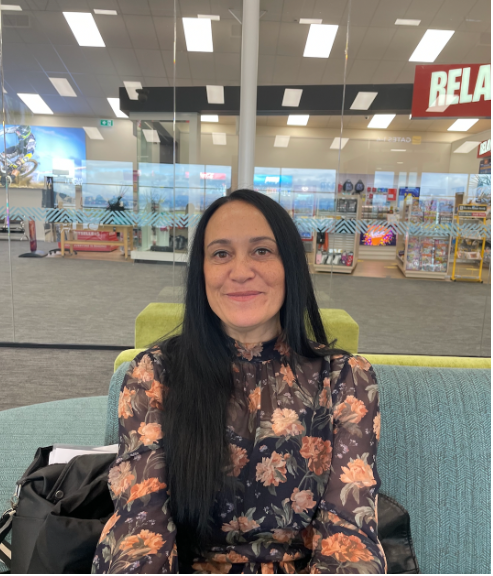
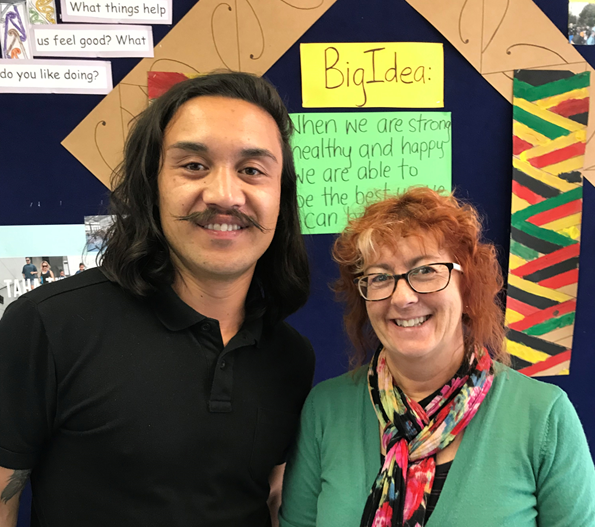
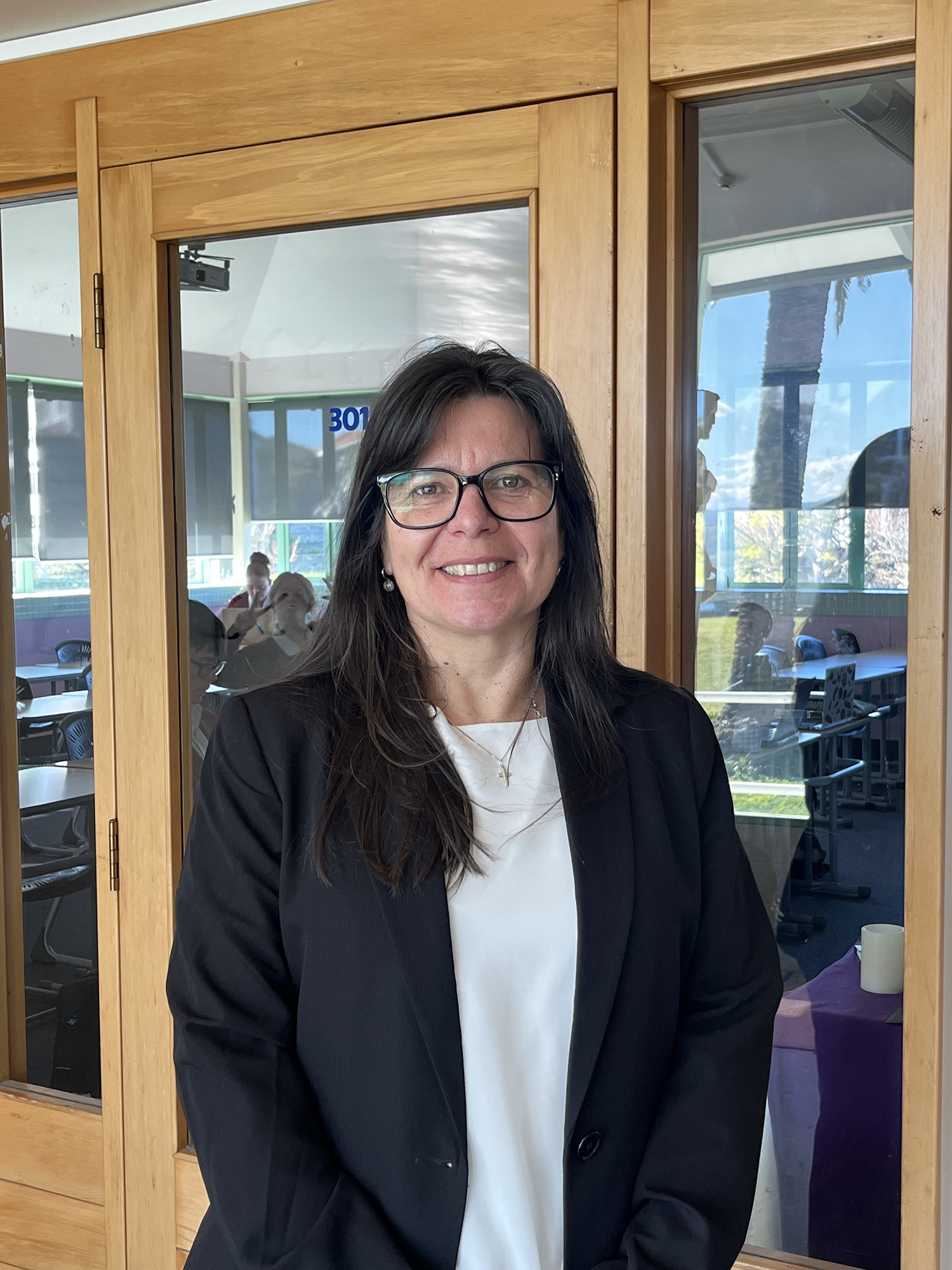
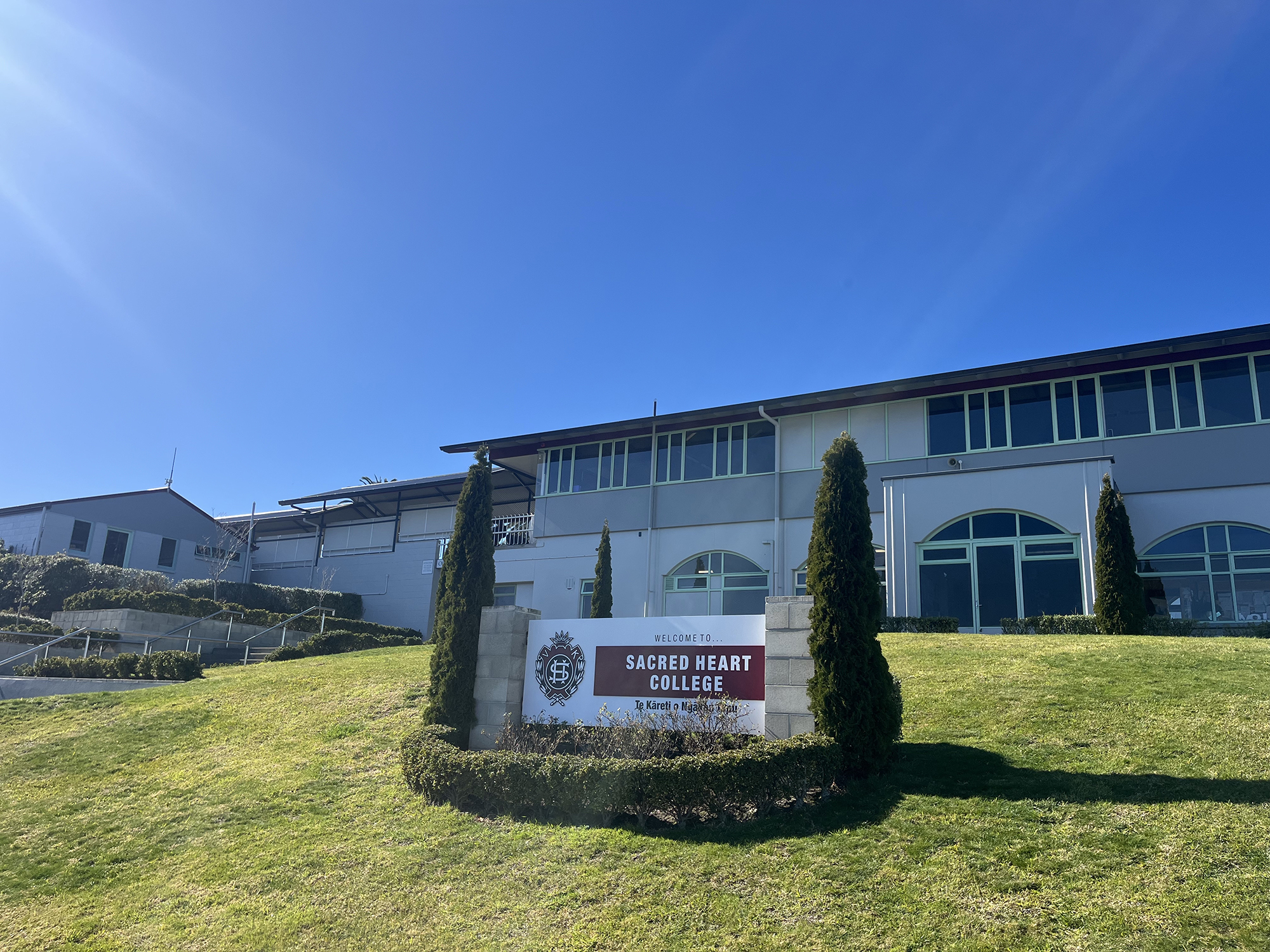
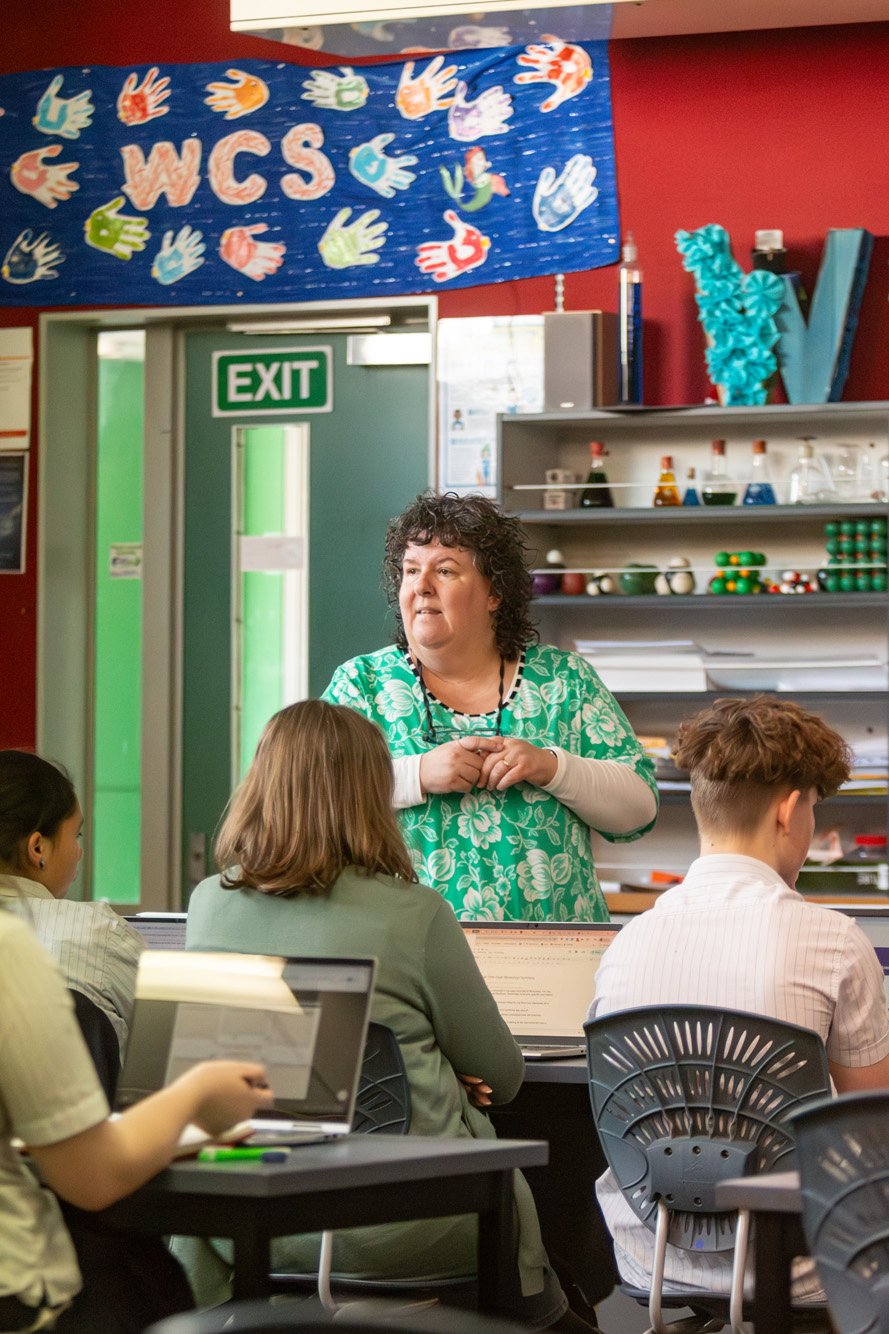
Meet Gabriela Isolabella, HOD Mathematics at Sacred Heart College Napier. Gabriela is passionate about teaching mathematics. She believes that for secondary schools, the area to focus on is Y9 and 10 and placing the most experienced teachers with these classes so the students have a strong foundation going into the senior school.
When Gabriela first arrived in New Zealand and interacted with our education system she was surprised by the prevalence of streaming, its impacts and the use of terms like ‘cabbage class’. Having grown up in Uruguay, where educational reformer José Pedro Varela (1845–1879) post-independence from Spain, created an education system where all citizens, no matter their ethnicity or socio-economic background were provided a free and fair education, she knew there was a better way. With that context Gabriela became an early innovator in flexible grouping practices for maths.
Her starting point is the graduate profile; when your student leaves school for the last time, what do you want to see? One thing Gabriela identifies is the student having the ability to work in multi-disciplinary groups. It is so important now to work with people and be able to listen, to negotiate, and to be able to talk in an appropriate way and you are developing these skills whilst you are learning mathematics.
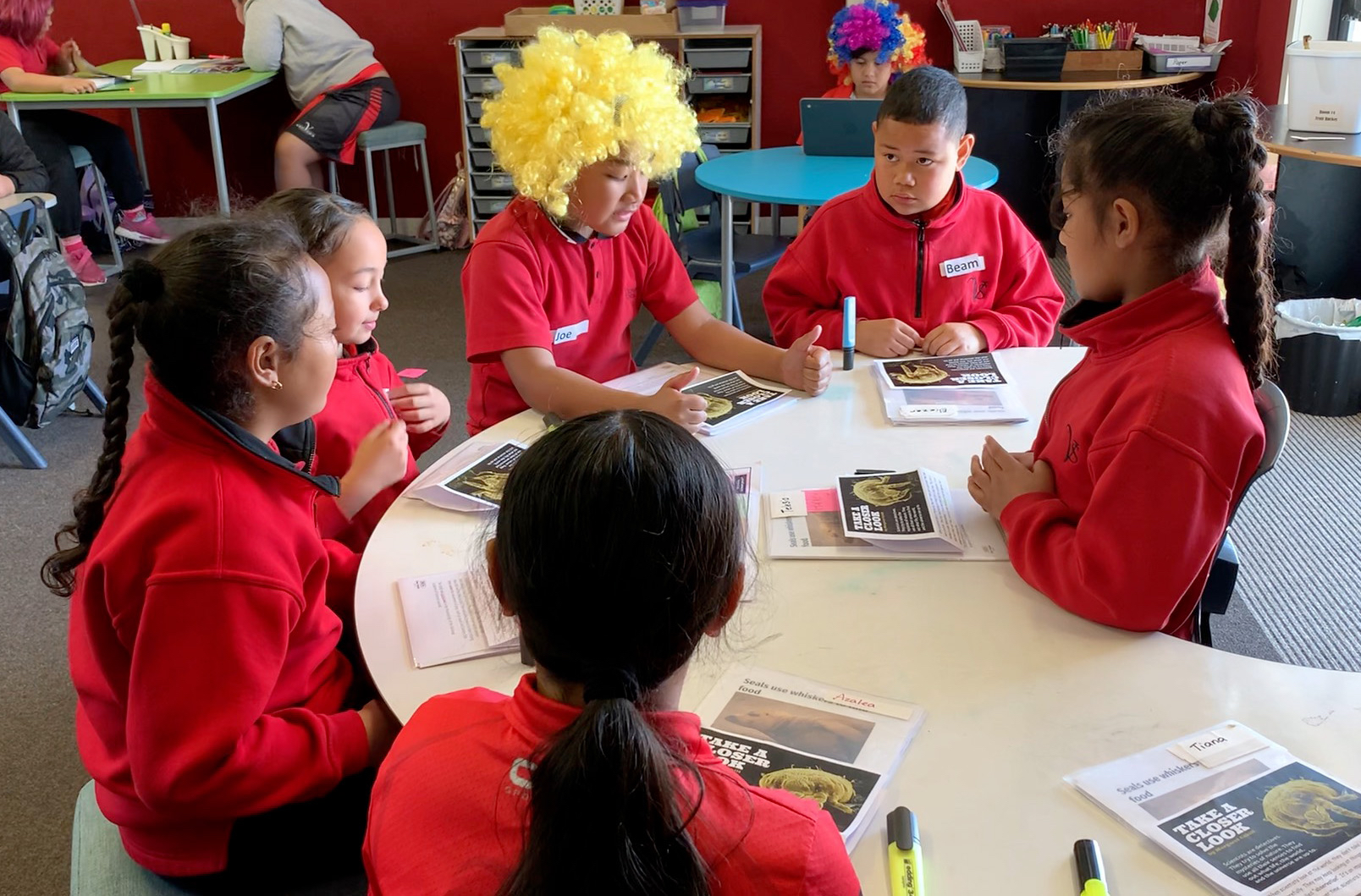
Early in the year, Gabriela has her students sit the e-asTTLe test, so they and the teacher know what curriculum level they are at. She also places the students in a broad category based on what she knows about their attitude. For example, enjoys maths and excels, dislikes maths and avoids participating, tries hard but struggles, and has ability but can’t be bothered.
These two data points form the basis of placing the students into groups, but these groups are easily and regularly reconfigured. When students enter the room, it is common for them to ask what groups are we in today? Our goal is to create a learning experience that allows all students to make progress from their current level.
How does she set work for each group? “It’s easy,” she says. You don’t need to plan five lessons! She uses one page from a textbook to show how she tweaks the task for each group. One group might tackle questions 1-5 and if they handle those, they continue. Another group might start at question 16 and go to 20, and if they get them all correct, they go to the problem on the next page. ‘For another group I might go straight to the problem solving.
Gabriela tracks their progress. Her Y9 class in 2024, began the year with 30% of students working at Level 4 or above. By the end of the year, 83% were Level 4 or above. Our expectation is that each student will be at level 5 by the end of year 10.
She is also seeing changes in the students such as increased motivation and improved personal relationships. They learn how to respect each other. ‘She might be different from me, but she helps me, and I respect her for that.’ I go outside and I see students from different cultures sharing their lunches. Math anxiety has reduced, and a sense of capability has increased.



.jpg)