2022
Auckland
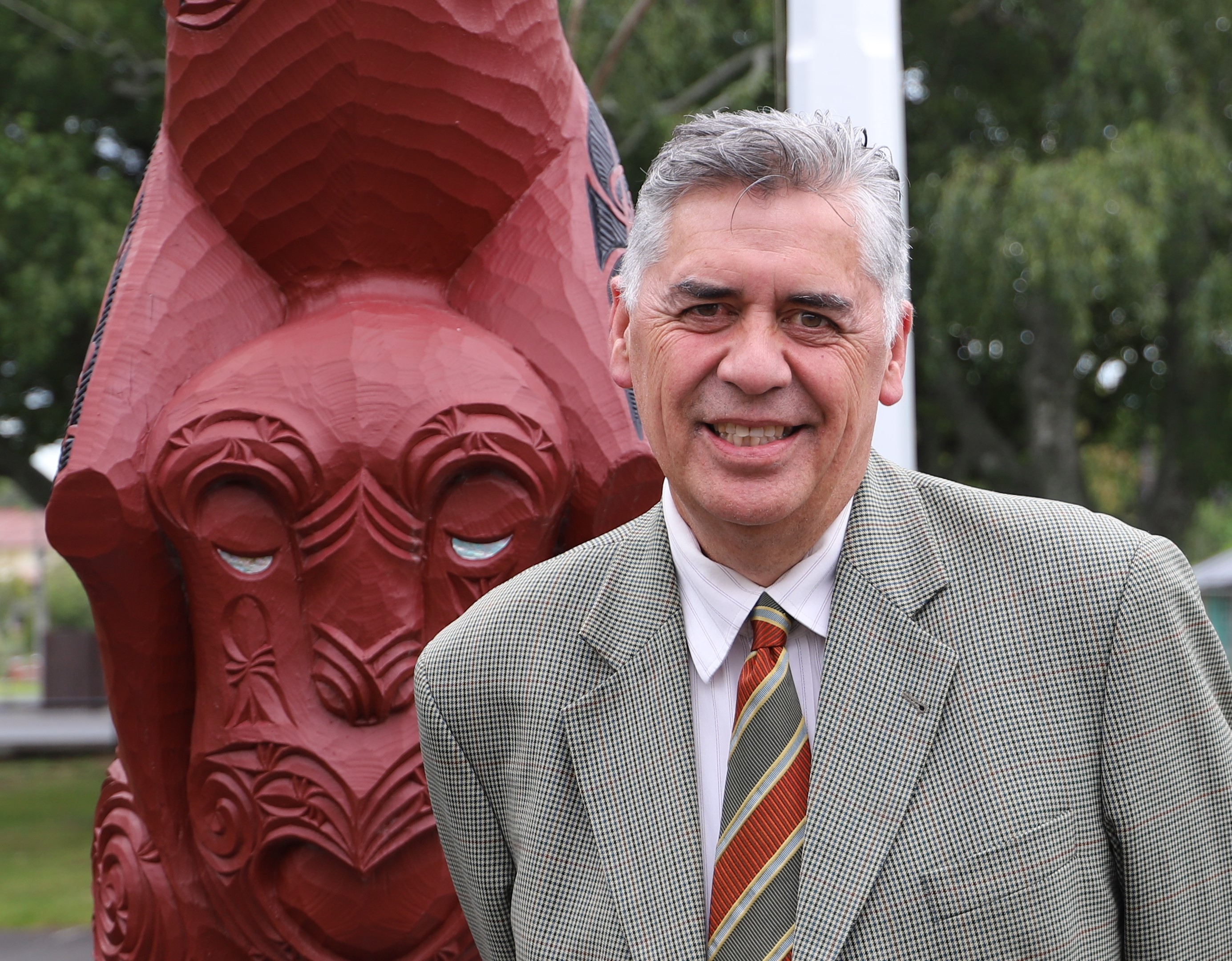
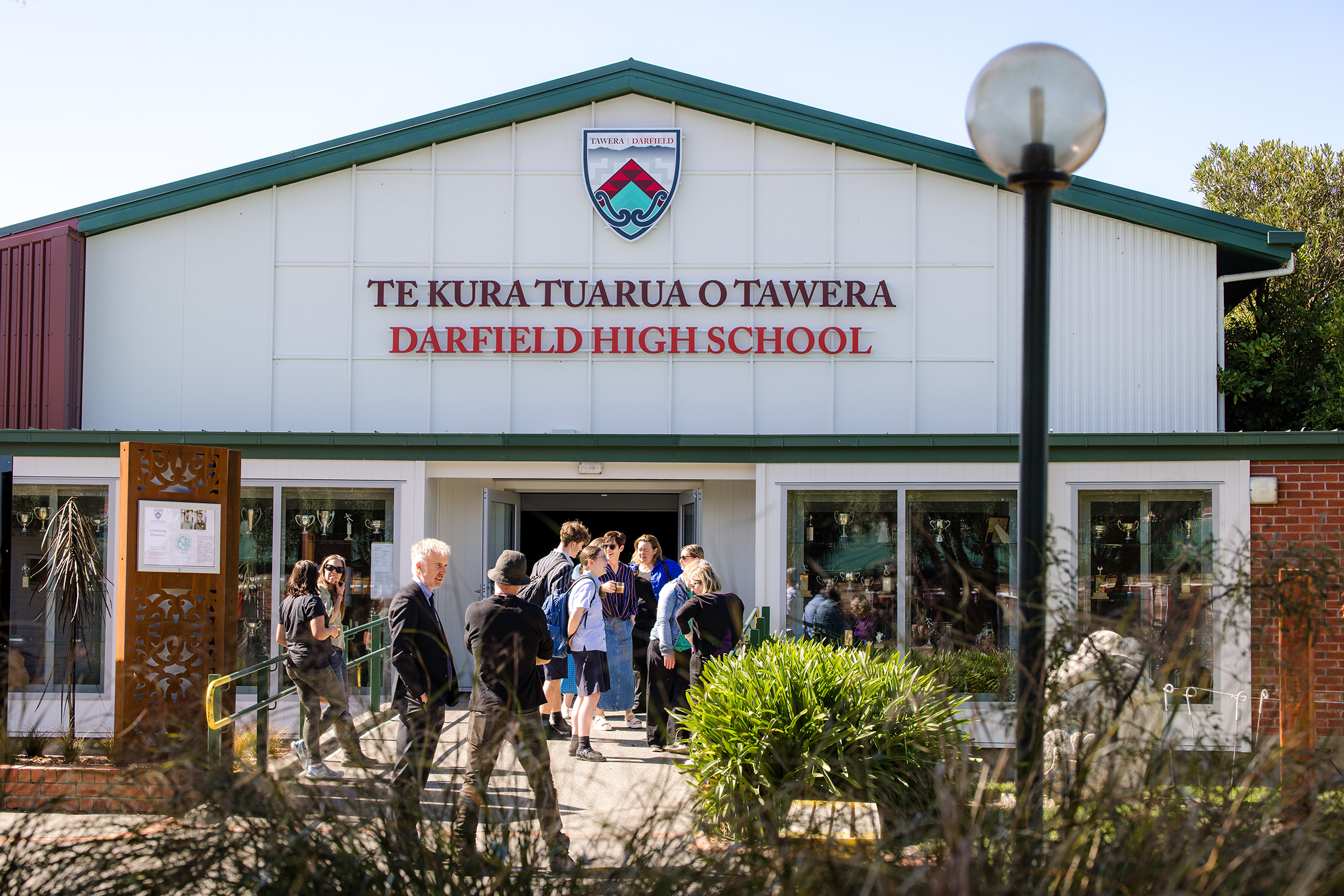
Horowhenua principal, Grant Congdon says that as long as he can remember the school has been strategically focused on improving Māori and Pasifika academic results. “This is a nationwide focus, yet our own results as well as national results show we are generally failing in this area.”
For as long as I can remember we have strategically focused on improving Māori and Pasifika academic results. This is a nationwide focus, yet our own results as well as national results show we are generally failing in this area. Our SLT are genuine in seeking improvement for our Māori and Pasifika students, so we were very engaged when our Head of Maths Faculty (in 2017) challenged us with questions about equity at our college.
Our college is 35 percent Māori and 15 percent Pasifika so we expected this type of representation in all levels of our streamed classes. However, as our HoF of Maths pointed out and then challenged us about, this was far from the reality.
Instead, we had a much higher representation of Māori and Pasifika students in our lower streamed classes and a very low representation in our top stream classes. Our HoF of Maths wanted only mixed ability Maths classes in Year 11. SLT were 100 percent behind her so this started in 2018. Improvements due to this change were identified by the end of 2018.
The SLT worked to educate our whole college community about streaming and have everyone on board. The mixed-ability approach at Year 11 Maths was discussed regularly at HoF meetings. Each HoF was at a different stage of wanting to come on board with de-streaming, but ongoing discussions allowed questions to be asked and concepts challenged.
Conversations with mana whenua (Muaūpoko) about streaming took place. They were aware of the work of Tokona Te Raki and supported our work towards de-streaming. Our Board is very student focused so were very interested in the outcomes achieved from de-streaming Year 11 Maths. They read articles shared with them and regularly discussed the issues of streaming and de-streaming at Board meetings.
HoFs were also discussing streaming issues with their staff. Numerous conversations with parents took place about streaming. All of this resulted in a groundswell of questions about why we continue to stream when there are obvious disadvantages for our students.
Our HoFs are the leaders of learning, so it was most important that they owned the move to de-stream. Their buy-in and commitment was absolutely vital because it was, they and their staff who would implement the changes needed to successfully de-stream our college.
We did not rush this part of the process because it was so important to have all of our faculties on board. Some took longer than others and this was completely okay. It also gave time for the Board and community to process the issues. The major challenge in all of this was maintaining communication. This was vital in enabling all parties to remain informed and connected to the process and ensuring momentum was maintained.
Making the decision to de-stream was comparatively straightforward compared to what is required after making that decision. Replacing streamed classes were mixed-ability classes. Our staff need to be equipped with how to succeed in mixed-ability classes. Their pedagogy needs support because they now have students in their classes from a much wider range of academic abilities.
This support is the most significant action that helps manage the shift resulting from de-streaming. If you make the decision to de-stream but don’t support your teachers to succeed in the new environment, everyone will struggle. We are providing support through training with Universal Design for Learning. UDL provides structures and methods to support the pedagogy required for mixed-ability teaching. We have a PLD contract with UDL facilitators who are supporting and up-skilling our staff. This support will be ongoing for several years until the necessary pedagogy is embedded in our college.
Course selections have opened up due to the removal of prerequisites, students are voluntarily engaging with external assessments, students are aspiring to greater academic achievements, resulting in career pathways being more accessible. It’s like a glass ceiling has been removed and students are given licence to be aspirational in their career choice.
Student voice confirms this. Although there are pockets of improvements in NCEA statistics, college-wide improvements are not yet evident. We will continue to analyse NCEA data over time, but this is not our primary focus – opening up career pathways and equipping our students to successfully access them is our focus.
Spend time doing the groundwork – ensure your SLT is united in their vision to de-stream, consult with iwi, make sure your leaders of learning are fully on board so they can lead the change at the chalk-face, have your Board fully informed and endorsing the de-streaming process, communicate with all stakeholders, and support your staff to up-skill as needed.
And don’t rush the process – it will take a number of years to successfully make the shift and to have the changes successfully embedded in your school.



.jpg)